Shaving Brushes for Grooming and Persona: Aligning Ritual with Practical Performance
The selection of a shaving brush is rarely just about the mechanical application of soap; it is an intersection of functional grooming requirements and personal aesthetic expression. When evaluating shaving brushes for grooming and persona, enthusiasts and newcomers alike must navigate a landscape where tactile performance meets visual identity. Unlike disposable cartridge systems or electric razors, a traditional shaving brush serves as both a skin preparation tool and a statement piece within the bathroom. Understanding this duality is essential for making a choice that satisfies both the dermatological needs of a wet shave and the stylistic preferences of the user.
Distinguishing Functional Grooming from Aesthetic Expression
To make an informed decision, one must first separate the two primary value propositions of these tools. From a strictly grooming perspective, the brush is a lather generator and exfoliator. Its purpose is to hydrate beard hair, lift follicles away from the skin, and create a protective cushion for the razor blade. However, the "persona" aspect introduces variables that have no direct impact on shave quality but significantly influence user satisfaction. This includes handle ergonomics, material prestige, knot density, and visual design.
A common pitfall for those exploring shaving brushes for grooming and persona is prioritizing one aspect to the detriment of the other. A visually stunning resin handle with a dense, high-loft silvertip badger knot may look magnificent on a shelf but could be uncomfortable for daily use if the user has sensitive skin or prefers face lathering over bowl lathering. Conversely, a purely utilitarian synthetic brush might offer superior drying times and consistency but fail to provide the ritualistic weight and warmth that defines the traditional wet shave experience for many. The optimal choice usually lies in a balanced compromise between these poles.
Evaluating Brush Fibers: Performance vs. Character
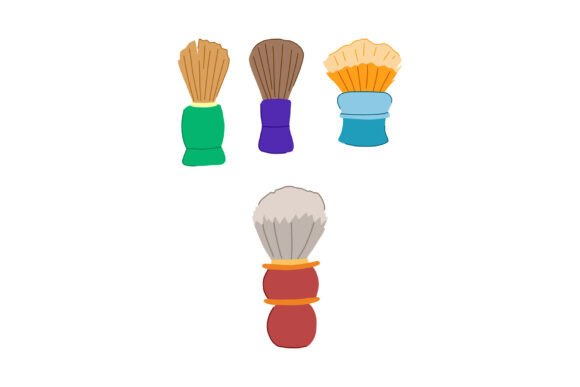
The knot—the bundle of fibers at the top of the brush—is the engine of the tool. Different fiber types cater to different grooming needs while projecting distinct personas.
- Synthetic Fibers: Modern synthetics have closed the gap significantly with natural hair. They are hypoallergenic, dry quickly, and require no breaking-in period. For the pragmatic groomer who values efficiency and animal-free products, synthetics are often the superior technical choice. However, some purists feel they lack the organic variation and water-retention characteristics associated with heritage grooming.
- Badger Hair: Ranging from pure to silvertip, badger remains the benchmark for traditionalists. It offers excellent water retention and a unique gel-like tip feel that develops over time. Choosing badger often signals a commitment to classic rituals. The tradeoff includes higher maintenance, longer drying times, and ethical considerations regarding sourcing.
- Boar Bristle: Often overlooked, boar brushes are firmer and provide more aggressive exfoliation. They are typically less expensive and excel at working hard soaps into a rich lather. While they may project a more rustic or utilitarian persona compared to the luxury of silvertip badger, their grooming performance for thick, coarse beards is frequently unmatched.
When comparing options, consider your skin sensitivity alongside your desired image. If your persona involves rugged practicality, a boar brush aligns well functionally and aesthetically. If your grooming routine centers on luxury and comfort, a high-grade badger or premium synthetic better suits the narrative.
Handle Design: Ergonomics Meets Personal Style
The handle is where the concept of shaving brushes for grooming and persona becomes most visible. While the knot does the work, the handle dictates how that work feels and what it communicates. Materials range from turned wood and polished resin to metal, horn, and acrylic. Each carries specific tradeoffs regarding durability, weight, and grip.
Weight and Balance: Heavier handles, such as those made from brass or dense hardwoods, can reduce hand fatigue by allowing the weight of the tool to apply pressure rather than the wrist. This can lead to a more consistent lather application. However, heavy brushes may feel cumbersome during travel or for users with smaller hands. Lightweight resin or acrylic handles offer agility and ease of cleaning but may feel insubstantial to those seeking a heirloom-quality object.
Grip and Texture: A highly polished chrome or lacquered handle may look striking in a collection, but it can become slippery when covered in soap and water. Textured woods, matte finishes, or contoured shapes prioritize safety and control over high-gloss aesthetics. When evaluating collections, test the grip with wet hands if possible, or read reviews specifically addressing wet-conditions ergonomics.
Visual Identity: The handle is an extension of personal style. Minimalist designs suit modern, clean-lined bathrooms, while ornate, vintage-inspired handles complement traditional decor. Recognizing that this object will be seen daily helps ensure long-term satisfaction beyond mere utility.
Comparing Shaving Brushes Against Alternative Preparation Methods
It is valuable to contextualize shaving brushes for grooming and persona against alternative skin preparation methods to determine if they are truly necessary for your specific situation.
- Shave Creams and Gels (No Brush): Aerosol creams and tube gels applied by hand are faster and cheaper. They eliminate the learning curve of lather building. However, they generally do not lift beard hair as effectively as a brush, nor do they provide the same level of exfoliation. This option fits those who view shaving as a chore to be minimized rather than a ritual to be enjoyed.
- Pre-Shave Oils: Oils can soften beard hair without a brush, but they lack the mechanical action required to stand hairs up. They are best used as a supplement to brushing rather than a replacement.
- Electric Razors: These bypass the need for lather entirely. While efficient, they remove the sensory feedback and skin conditioning benefits of wet shaving. Users transitioning from electric to manual shaving often find the brush to be the critical component that makes the switch sustainable.
If your primary goal is speed and zero maintenance, a brush may not be the right fit. However, if you struggle with ingrown hairs, razor burn, or inconsistent closeness, the mechanical advantages of a brush often justify the additional time investment.
Decision Factors: Matching the Tool to the User
Selecting from a collection of shaving brushes requires honest self-assessment regarding lifestyle, budget, and grooming goals. There is no single "best" brush; there is only the best brush for a specific context.
When to Choose Traditional Natural Hair
Natural hair brushes remain relevant for users who value the evolution of the tool. Badger and boar knots change character with use, molding to the user’s technique over months and years. This break-in period creates a personalized grooming instrument that synthetics cannot replicate. If you enjoy the process of maintenance and appreciate organic materials that age gracefully, natural fibers align with that persona. Be prepared for the reality of animal product care, including thorough rinsing and proper drying to prevent mildew.
When to Opt for High-End Synthetics
Synthetics are the rational choice for travelers, vegans, and those with busy schedules. They perform consistently out of the box and dry within hours, reducing bacterial risk. Modern high-end synthetics also mimic the softness of badger without the scent or variability. If your persona is defined by modern ethics, convenience, or technical precision, synthetics offer a compelling alternative without significant performance sacrifice.
Budget Allocation and Value Perception
Price does not always correlate with grooming performance, though it often correlates with persona markers like exotic handle materials or rare hair grades. A mid-tier synthetic brush can outperform a premium badger in lather generation speed, yet the badger commands a higher price due to scarcity and craftsmanship. Determine whether your budget should fund better shave quality (often achievable at lower price points) or enhanced aesthetic and tactile luxury. Both are valid expenditures, provided the distinction is understood.
Maintaining the Balance Between Form and Function
Ultimately, integrating shaving brushes for grooming and persona into a daily routine is an exercise in mindfulness. The brush forces a slower pace, encouraging attention to skin condition and technique. Whether chosen for its ability to produce a yogurt-like lather or its resemblance to a vintage artifact, the tool serves as a tangible anchor in the grooming process.
For those still undecided, starting with a versatile, mid-sized synthetic or mixed-fiber brush allows for exploration without significant financial commitment. This baseline experience clarifies personal preferences regarding loft height, backbone stiffness, and handle size. Once these functional parameters are established, upgrading to a piece that reflects your specific persona becomes a targeted acquisition rather than a speculative purchase. By respecting both the engineering of the shave and the psychology of the user, one can build a collection that is as effective as it is expressive.