The Complete Guide to Hair Brushes Sets: Merging Styling Science with Visual Wellness
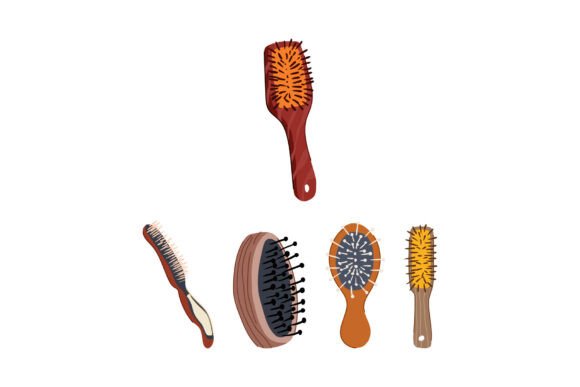
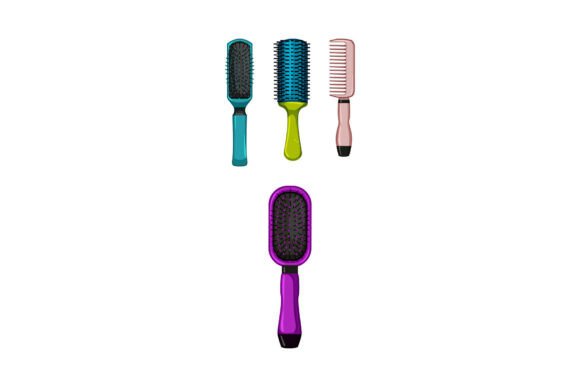
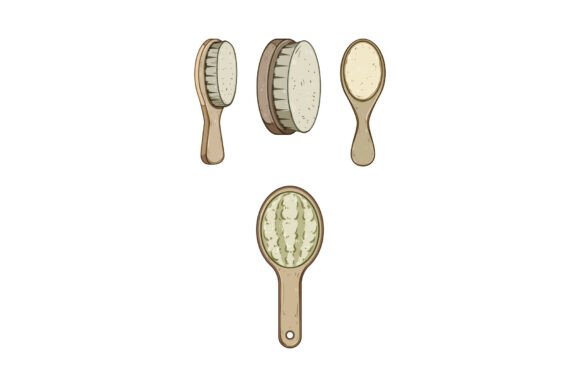
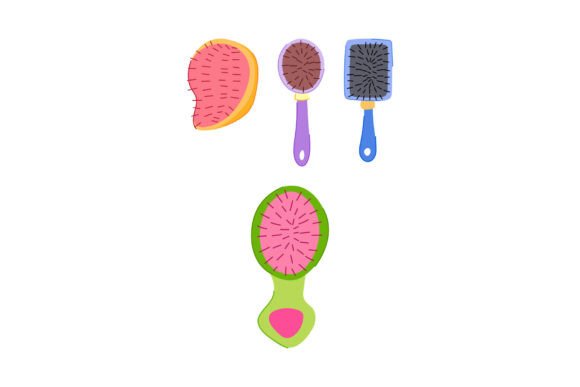
In the vast landscape of personal care and hygiene, few tools are as ubiquitous yet frequently misunderstood as the hair brush. While often viewed as a simple mechanical device for detangling, a comprehensive hair brushes set represents a sophisticated intersection of grooming technology, scalp health, and aesthetic wellness. For general readers navigating the aisles of beauty supply stores or browsing digital marketplaces, understanding the nuance behind these styling grooming tools is essential. Furthermore, in our increasingly visual digital culture, the hair brushes illustration featuring various shapes and colors has emerged as a powerful symbol for concepts involving haircare, self-care routines, and holistic wellness.
This guide explores the functional reality of professional grooming tools while also examining their broader significance in education, business, and modern lifestyle design. Whether you are building a personal collection or seeking visual assets for a wellness brand, understanding the "why" and "how" behind these tools transforms them from mere objects into instruments of daily well-being.
Beyond Detangling: The Purpose and Significance of Grooming Tools
To truly appreciate a hair brushes set, one must first dismantle the assumption that all brushes serve the same purpose. A common misunderstanding among beginners is that brushing is solely about managing knots. In reality, high-quality styling grooming tools are engineered to perform three distinct biological and mechanical functions:
- Sebum Distribution: The scalp produces natural oils (sebum) that act as a protective barrier and natural conditioner. Proper brushing transports these oils from the root to the shaft, preventing dry ends and oily roots.
- Scalp Stimulation: Mechanical action increases blood flow to the hair follicles. This stimulation is linked to nutrient delivery and can support healthier hair growth cycles.
- Cuticle Alignment: Unlike rough combing, specialized bristles smooth the hair cuticle layer, enhancing light reflection (shine) and reducing friction that leads to breakage.
When we discuss personal care and hygiene, we are discussing maintenance of the body’s largest organ system. A curated set of brushes acknowledges that hair texture, density, and condition change based on humidity, age, and styling needs. Therefore, a single tool is rarely sufficient. The significance of a set lies in its versatility, allowing users to adapt their routine to the specific demands of their biology rather than forcing a one-size-fits-all solution.
Decoding Shapes and Materials: A Practical Education
For those new to intentional haircare, the variety of shapes and materials can be overwhelming. However, each variation serves a specific educational purpose in the journey toward better hair health. Understanding these distinctions helps consumers make informed decisions rather than purchasing based on aesthetics alone.
The Paddle Brush
Characterized by a flat, rectangular base, this tool is designed for surface area coverage. It is ideal for straightening and smoothing long hair during blow-drying. The wide base allows for tension distribution, making it a staple in both professional salons and home grooming kits.
The Round Brush
Available in varying diameters, round brushes are thermal styling tools. Smaller barrels create tight curls and volume at the root, while larger barrels produce loose waves and smooth bends. This shape is critical for understanding how heat and tension interact to reshape hydrogen bonds in the hair temporarily.
The Vent and Cushion Brush
Vent brushes feature open spacing to allow airflow during drying, reducing heat damage. Cushion brushes possess a flexible rubber base that contours to the head shape, providing a gentler experience for sensitive scalps. These designs highlight the evolution of grooming tools toward wellness-centric engineering, prioritizing comfort alongside utility.
Bristle Composition Matters
The material of the bristle is just as important as the shape. Boar bristles are gold standards for distributing oil and polishing the cuticle. Nylon pins offer flexibility and detangling power for thick or wet hair. Mixed bristle sets combine both to provide the benefits of stimulation and penetration simultaneously. Recognizing these differences is key to avoiding damage; using a stiff nylon brush on fragile, chemically treated hair, for example, is a common error that compromises hair integrity.
The Role of Hair Brushes Illustrations in Modern Communication
While physical tools address biological needs, the hair brushes illustration featuring various shapes and colors addresses cognitive and communicative needs. In the realms of education, marketing, and digital content creation, these illustrations serve as vital semantic anchors.
Visualizing Wellness Concepts
In an era where self-care is a dominant cultural narrative, abstract concepts like "hygiene" or "beauty routines" require tangible representation. Illustrations of diverse brush shapes in calming or vibrant color palettes translate complex grooming advice into accessible visual language. For educators and content creators, these images bridge the gap between technical instruction and emotional resonance. A colorful, stylized depiction of a grooming set suggests that personal care is not a chore, but a creative and restorative act.
Business and Brand Identity
For businesses in the beauty and wellness sector, consistent visual imagery builds trust. An illustration set that accurately depicts various brush types signals expertise and attention to detail. It moves beyond generic stock photography to offer bespoke visual storytelling. When a consumer sees an illustration that clearly differentiates between a detangler and a styling brush, they perceive the brand as educational and helpful, adhering to the principles of E-E-A-T (Experience, Expertise, Authoritativeness, and Trustworthiness).
Educational Utility
In cosmetology schools and hygiene education programs, illustrated diagrams are indispensable. They allow instructors to label parts (ferrule, cushion, handle, bristle tip) and demonstrate grip techniques without the limitations of photography. Color-coding in illustrations can further aid learning; for instance, using blue tones to represent cooling/soothing tools and warm tones for thermal styling aids helps students categorize function intuitively.
Integrating Grooming Tools into Daily Life and Work
The relevance of hair brushes sets extends far beyond the bathroom mirror. In modern life, grooming rituals often serve as transitional markers between different modes of being. The act of brushing hair can be a mindful pause before starting the workday or a decompression ritual before sleep. This psychological aspect transforms a hygiene tool into a wellness anchor.
Professionally, maintaining a polished appearance remains a component of personal branding in many industries. A well-maintained hair brushes set ensures that individuals can manage their presentation efficiently, regardless of travel schedules or environmental changes. For remote workers, the ritual of grooming can help establish boundaries between "home mode" and "work mode," supporting mental health and productivity.
Furthermore, the rise of sustainable living has influenced the grooming tool market. Consumers are increasingly seeking sets made from biodegradable materials like bamboo or recycled plastics. This shift reflects a broader integration of personal care with environmental ethics. Choosing a durable, eco-friendly brush set is no longer just a beauty decision; it is a statement of values regarding consumption and waste.
Common Misunderstandings and Best Practices
Despite the accessibility of information, several myths persist regarding hair brushing. Addressing these is crucial for safe and effective use.
- The "100 Strokes" Myth: Historical advice suggested brushing hair 100 times a day. Modern trichology advises against this, as excessive mechanical manipulation causes wear and tear. Brush only as much as needed to detangle and distribute oils.
- Wet vs. Dry Brushing: Hair is most elastic and vulnerable when wet. Using a standard boar bristle brush on soaking wet hair can cause snapping. Always use tools specifically designed for wet detangling or wait until hair is damp-dry.
- Cleaning Your Tools: A brush set is a hygiene tool, yet it is often neglected. Product buildup, dust, and old hair trapped in bristles can reintroduce bacteria to the scalp. Regular cleaning with mild soap and water is non-negotiable for maintaining skin health.
- One Tool Fallacy: Assuming a single expensive brush replaces a set is incorrect. Just as a chef uses different knives for different tasks, effective grooming requires a toolkit adapted to washing, drying, styling, and finishing phases.
Building a Broader Understanding of Personal Care
Ultimately, exploring the world of hair brushes sets and their visual representations offers a microcosm of the larger wellness industry. It teaches us that effective self-care is rooted in knowledge, intentionality, and adaptation. Whether you are selecting a paddle brush for your morning routine or utilizing a vibrant hair brushes illustration to explain hygiene concepts to an audience, the underlying principle remains the same: tools should empower, not complicate.
By moving past superficial assumptions and engaging with the material science, ergonomic design, and visual communication of these grooming tools, we elevate our daily routines. We transform haircare from a mundane obligation into a practiced form of self-respect and creative expression. In doing so, we align our external habits with our internal values of health, clarity, and well-being.