Kitchen Utility Brushes for Domestic Cleaning
The shift toward sustainable living often begins in the most utilitarian spaces of the home. For many, replacing synthetic sponges and plastic scrubbers with kitchen utility brushes for domestic cleaning represents a tangible step toward reducing household waste. These tools are deceptively simple, typically consisting of a wooden handle and natural fiber bristles, yet they serve as a cornerstone for eco-friendly dishwashing and general surface maintenance. Unlike their plastic counterparts, which shed microplastics into waterways and eventually end up in landfills, wooden brushes with plant-based fibers offer a biodegradable alternative that aligns with zero-waste hygiene routines.
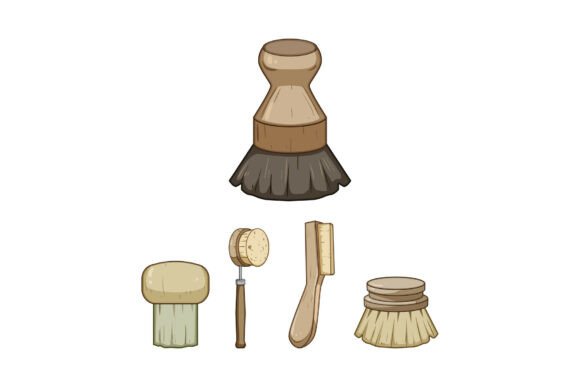
Understanding these tools requires looking beyond their basic function. They are not merely cleaning implements; they are part of a broader system of conscious consumption. The assortment of available brushes—ranging from stiff coconut coir pot scrubbers to softer tampico fiber dish brushes and specialized bottle cleaners—allows households to tailor their cleaning arsenal to specific tasks without relying on disposable plastics. This specificity matters differently depending on who is using the tool and what they hope to achieve in their daily routine.
Diverse Perspectives on Sustainable Cleaning Tools
While the end goal of cleanliness is universal, the motivation for choosing wooden utility brushes varies significantly across different demographics. A beginner exploring sustainability might prioritize affordability and ease of transition, seeking a direct swap for their current yellow-and-green sponge. In contrast, an experienced zero-waste advocate may evaluate these brushes based on the ethical sourcing of the wood, the compostability of the bristles at end-of-life, and the durability of the construction. Recognizing these differing priorities helps clarify why this category of domestic care has gained such traction.
For Beginners and Conscious Consumers
If you are new to eco-friendly home care, the primary concerns are likely usability and cost. Synthetic sponges are cheap and familiar, so switching to natural fibers can feel like a risk. Beginners should look for kitchen utility brushes for domestic cleaning that mimic the ergonomics of traditional tools. A standard dish brush with a comfortable wooden grip and medium-stiffness agave or palmyra fibers offers a gentle learning curve. These users benefit most from versatile, all-purpose brushes rather than highly specialized tools. The priority here is establishing a new habit without friction. If the brush feels awkward or fails to clean effectively during the first week, the sustainable experiment is likely to be abandoned. Starting with a high-quality, ergonomic wooden brush ensures the transition feels like an upgrade rather than a sacrifice.
Educators, Families, and Skill Building
For parents and educators, these brushes serve a dual purpose: hygiene and pedagogy. Wooden tools are tactile and distinct from plastic, making them excellent aids for teaching children about material science and environmental responsibility. Unlike bright, cartoonish plastic scrubbers, natural wood and fiber brushes present cleaning as a respectful interaction with objects and resources. Educators and homeschoolers might use an assortment of brushes to demonstrate differences in texture, absorption, and biodegradability. The sturdiness of wood handles also makes them safer and more durable for small hands learning motor skills. In this context, the value lies not just in the clean dish, but in the lesson imparted about long-term usefulness and respect for natural materials.
Creators, Bloggers, and Visual Storytellers
Content creators focusing on slow living, cottagecore aesthetics, or sustainable home organization evaluate these tools through a lens of presentation and narrative. For this audience, the visual warmth of beechwood or bamboo and the organic texture of natural fibers contribute to a cohesive brand identity. However, authenticity remains paramount. Creators must test whether the products they feature actually perform under real-world conditions. A beautiful brush that molds quickly or sheds bristles excessively will damage credibility. Successful integration involves showcasing proper care routines—such as hanging brushes to dry or oiling handles periodically—to provide genuine value to followers. The commercial value here stems from trust; recommending a reliable assortment of wooden kitchen brushes reinforces expertise in sustainable living niches.
Small Business Owners and Hospitality Professionals
In commercial or semi-commercial settings like cafes, bakeries, or Airbnb rentals, reliability and hygiene standards take precedence over aesthetics. Professionals need kitchen utility brushes for domestic cleaning that can withstand frequent sanitization and heavy use. While wood is naturally antimicrobial, businesses must verify that their chosen brushes meet local health code requirements. Stiffer coconut coir brushes are often preferred for scouring pots and prep surfaces because they resist wear better than softer fibers. Cost analysis for professionals shifts from unit price to lifecycle cost; a slightly more expensive, replaceable-head wooden brush system may prove more economical and sustainable than constantly purchasing bulk plastic alternatives. Flexibility is also key, as staff may need to switch between delicate glassware cleaning and heavy-duty grill maintenance rapidly.
Evaluating Quality and Material Choices
Selecting the right assortment involves understanding the nuances of natural materials. Not all wooden brushes are created equal, and matching the fiber type to the task is essential for longevity and performance.
- Tampico Fiber: Derived from the agave plant, this fiber is soft, absorbent, and heat-resistant. It is ideal for washing glasses, non-stick cookware, and delicate ceramics where scratching is a concern.
- Coconut Coir: Made from coconut husks, this material is stiff, abrasive, and naturally resistant to mold and bacteria. It excels at removing stuck-on food from cast iron, stainless steel, and root vegetables.
- Palmyra/Bassine: A medium-stiffness fiber that strikes a balance between scrubbing power and gentleness. It is the most common choice for general dishwashing and surface wiping.
- Handle Woods: Beechwood is dense and smooth, resisting water absorption when properly treated. Bamboo grows faster and is lighter but can sometimes splinter if not sealed well. Teak offers superior water resistance but comes at a higher price point.
When evaluating options, consider the joinery as well. Brushes with wire staples holding the bristles tend to be more durable than those relying solely on glue. Replaceable head designs further enhance sustainability by allowing users to keep the handle indefinitely while only discarding the worn fiber portion.
Maintenance as Part of the Routine
A critical aspect of integrating natural fiber brushes into any household is accepting that they require different care than synthetics. Plastic can be left soaking in water; wood cannot. To maximize the lifespan of kitchen utility brushes for domestic cleaning, users must adopt active maintenance habits. After each use, brushes should be rinsed thoroughly and shaken out to remove excess moisture. Storing them upright in a ceramic crock or hanging them on a rack promotes airflow and prevents the wood from staying wet, which leads to cracking or mold growth.
Periodic deep cleaning extends usability. Soaking the bristle portion (avoiding submerging the wood handle) in vinegar or hydrogen peroxide can sanitize the fibers without harsh chemicals. Some users lightly oil the wooden handles with food-safe mineral oil or beeswax every few months to maintain water repellency. This maintenance ritual, while requiring slightly more effort than tossing a sponge in the dishwasher, fosters a deeper connection to the tools and reinforces the mindful approach to domestic care that defines the zero-waste ethos.
Aligning Tools with Personal Goals
Ultimately, determining whether an assortment of wooden kitchen brushes fits your needs depends on your specific objectives. If your goal is absolute convenience with zero behavioral change, natural brushes may initially feel demanding. However, if you seek to reduce plastic dependency, improve the sensory experience of cleaning, or model sustainable practices for others, these tools offer profound alignment. Beginners should start small with one versatile brush to test compatibility. Professionals should prioritize durability and compliance. Creatives should focus on authentic performance alongside aesthetics.
The transition to natural fiber and wood handles is rarely instantaneous. It is a gradual process of learning which textures work best for your specific cookware, how to care for organic materials, and how to integrate sustainability into the rhythm of daily chores. By viewing kitchen utility brushes for domestic cleaning as adaptable tools rather than static products, users across all experience levels can find meaningful ways to enhance both their hygiene routines and their relationship with their home environment.