The Strategic Role of Different Hair Brushes for Salon and Home in Modern Beauty Ecosystems
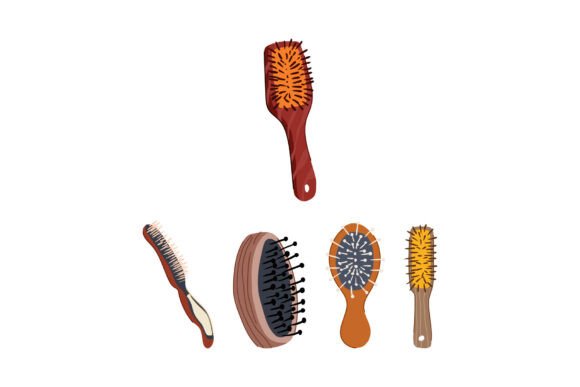
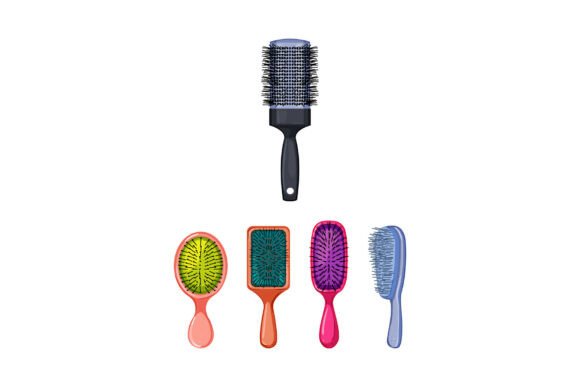
In the contemporary beauty landscape, tools are no longer mere accessories; they are the fundamental infrastructure upon which service quality, brand identity, and consumer satisfaction are built. For professionals, creators, and entrepreneurs operating within the haircare sector, understanding the nuanced ecosystem of Different Hair Brushes for Salon and Hom is essential. This category encompasses far more than simple grooming implements. It represents a colorful assortment of hair brushes and combs with varied shapes and bristles designed for detangling, smoothing, and styling that serve as essential tools for both high-end salon environments and everyday haircare routines. As the industry shifts toward personalized experiences and retail-integrated services, these tools have become pivotal touchpoints in the customer journey.
Redefining Utility: The Convergence of Professional and Domestic Care
Historically, there was a distinct bifurcation between professional-grade equipment and consumer products. Salon tools were utilitarian, durable, and often aesthetically sterile, while home products were marketed on novelty rather than performance. Today, that line has blurred significantly. The modern market demands that Different Hair Brushes for Salon and Hom bridge this gap, offering professional efficacy wrapped in design-forward aesthetics suitable for domestic use. This shift is driven by an increasingly educated consumer base that researches ingredients, techniques, and tool specifications before making purchasing decisions.
For salon owners and freelancers, this convergence presents a unique business opportunity. The tools used during a service are now primary vehicles for retail conversion. When a stylist utilizes a specific brush to achieve a seamless blowout or a gentle detangle, the client is experiencing the product’s value proposition in real-time. Consequently, the selection of a colorful assortment of hair brushes and combs with varied shapes and bristles for detangling, smoothing, and styling is no longer just an operational expense; it is a strategic inventory decision. These essential tools for salon and everyday haircare routines must perform flawlessly under the heat and tension of professional styling while remaining intuitive enough for clients to replicate results at home.
Material Science and Ergonomics as Market Differentiators
The relevance of specialized hair tools is deeply rooted in advancements in material science and ergonomic design. In an era where wellness and scalp health are paramount, the composition of bristles has moved beyond basic nylon or boar. We are seeing a surge in hybrid bristle technologies, antimicrobial materials, and flexible cushion bases that adapt to scalp contours. For marketers and product developers, highlighting these technical specifications is crucial for SEO and consumer education. Clients are paying attention because they understand that the wrong tool can cause mechanical damage, breakage, and scalp irritation.
Ergonomics plays an equally vital role, particularly for professionals who face repetitive strain injuries. The physical demand of styling requires tools that reduce wrist fatigue without sacrificing precision. Simultaneously, for the home user, ergonomics translates to ease of use and accessibility. A brush that is difficult to hold or maneuver will be abandoned regardless of its bristle quality. Therefore, when evaluating Different Hair Brushes for Salon and Hom, stakeholders must consider the tactile experience as a key performance indicator. The weight distribution, handle texture, and balance of the tool directly influence user retention and professional longevity.
The Functional Taxonomy of Bristles and Shapes
Understanding the specific application of varied shapes and bristles is critical for both service providers and content creators explaining these products. The "colorful assortment" mentioned in industry descriptions is not merely decorative; color coding often signifies functional differences that streamline workflow and enhance user experience.
- Detangling Specialists: Tools featuring flexible, multi-length bristles are engineered to glide through knots without snagging. These are essential for wet hair services and for clients with textured or curly hair types. In a salon setting, using the correct detangler reduces service time and minimizes client discomfort, directly impacting satisfaction scores.
- Smoothing and Tension Brushes: Typically featuring a mix of boar and nylon bristles, these tools create the necessary tension for sleek blowouts. They distribute natural oils and polish the cuticle. For entrepreneurs selling these tools, the narrative focuses on "glass hair" trends and frizz reduction, connecting the tool to broader aesthetic desires.
- Volumizing and Styling Rounds: Ceramic and ionic barrel brushes retain heat to set curls and add body. The diameter of the barrel dictates the outcome, making size variety non-negotiable. Professionals rely on this variety to customize looks, while home users need guidance on selecting the right size for their hair length and desired style.
- Scalp Health Combs: Wide-tooth combs and scalp massagers have gained traction alongside the skinification of haircare trend. These tools support product absorption and circulation, positioning them as wellness devices rather than just styling aids.
Visual Merchandising and the Creator Economy
The visual nature of the beauty industry means that tools must be photogenic. The rise of social media tutorials and behind-the-scenes salon content has transformed hair brushes into props that communicate brand values. A colorful assortment of hair brushes and combs with varied shapes and bristles for detangling, smoothing, and styling offers immense creative potential for digital marketers and influencers. Vibrant colors and distinct silhouettes stop the scroll, while demonstration videos provide the educational context needed to drive sales.
For salons, the visual presentation of these tools contributes to the overall ambiance and perceived value of the space. Organized displays of high-quality brushes signal professionalism and attention to detail. In the freelance and mobile styling sector, a curated, aesthetically cohesive kit serves as a portable portfolio. When a stylist pulls out a well-maintained, purpose-specific brush, it reinforces their expertise. This visual language is part of the broader trend where "aesthetic functionality" drives purchasing decisions across lifestyle sectors.
Sustainability and Ethical Consumption in Tool Selection
A significant factor influencing current preferences is sustainability. Consumers and professionals alike are scrutinizing the lifecycle of their tools. Plastic waste is a major concern, leading to increased demand for biodegradable handles, recyclable packaging, and durable construction that resists premature disposal. When discussing Different Hair Brushes for Salon and Hom, addressing environmental impact is no longer optional. Brands that prioritize eco-conscious manufacturing resonate with values-driven buyers.
Durability is inherently sustainable. A high-quality brush that lasts five years is superior to a cheap alternative replaced every six months. For salon owners, investing in premium tools reduces long-term replacement costs and aligns with green business certifications. For home users, the "buy less, buy better" mentality supports higher price points for superior craftsmanship. Marketers should emphasize longevity, repairability, and material sourcing to connect with this growing demographic segment.
Adapting to Diverse Hair Textures and Inclusivity
The most forward-looking aspect of the current tool market is the embrace of inclusivity. For decades, many standard brushes were designed primarily for straight or wavy hair textures. Today, the definition of essential tools for salon and everyday haircare routines has expanded to explicitly include coils, kinks, and locs. This is not a niche consideration; it is a baseline expectation for any reputable brand or service provider.
Professionals must possess a diverse arsenal to serve a multicultural clientele effectively. Using inappropriate tools on textured hair can cause damage and alienate clients. Conversely, having the correct wide-tooth combs, afro picks, and specialized detanglers demonstrates cultural competence and technical mastery. For entrepreneurs, developing or stocking tools that cater to all hair types expands total addressable market and builds community trust. Content creators play a vital role here by educating audiences on which tools work best for specific hair porosities and densities, moving beyond generic advice to tailored recommendations.
Future-Proofing Through Education and Integration
As technology integrates further into personal care, we anticipate smart features and enhanced customization. However, the core principles of mechanics and biology remain constant. The most successful businesses and creators will be those who master the fundamentals while remaining open to innovation. Understanding the interplay between bristle type, barrel material, and hair structure provides a foundation that transcends fleeting trends.
Ultimately, the conversation around Different Hair Brushes for Salon and Hom is about empowerment. For the professional, it is the empowerment of efficient, safe, and beautiful service delivery. For the entrepreneur, it is the empowerment of building a resilient, desirable product line. For the consumer, it is the empowerment of self-care and confidence. By viewing these colorful assortments of hair brushes and combs with varied shapes and bristles for detangling, smoothing, and styling as integral components of a larger ecosystem, stakeholders can navigate the evolving market with clarity and purpose. The tools themselves may be static objects, but their application is dynamic, reflecting the ever-changing needs, preferences, and aspirations of the people they serve.