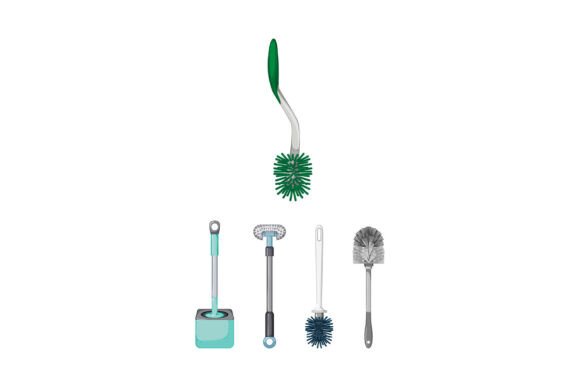
Different Toilet Brushes Illustrating Cl Design Guide
When curating visual assets for home sanitation brands or domestic lifestyle publications, finding the right intersection between utility and aesthetic appeal is a persistent challenge. Different Toilet Brushes Illustrating Cl addresses this niche directly by offering a specialized collection of vector graphics that transform mundane cleaning tools into engaging design elements. For designers, marketers, and content creators operating in the household goods sector, this asset library serves as more than just clip art; it functions as a strategic visual vocabulary for communicating cleanliness, variety, and modern hygiene standards without relying on generic stock photography.
The "Cl" designation in this context often signals clarity, clean lines, or a specific classification within illustration libraries, distinguishing these assets from photorealistic renders or overly cartoonish depictions. This balance is crucial for professional projects where the goal is to elevate the perception of everyday items. Whether you are designing packaging for a new eco-friendly brush line, creating an editorial spread on bathroom organization, or developing social media graphics for a cleaning service, these illustrations provide a consistent visual thread that reinforces brand identity while maintaining practical relevance.
Visual Characteristics and Stylistic Versatility
The primary strength of Different Toilet Brushes Illustrating Cl lies in its ability to convey function through form. Unlike standard icon sets that reduce objects to their barest geometric essentials, this collection typically retains enough detail to distinguish between bristle types, handle ergonomics, and material textures. This level of specificity matters significantly in product marketing and educational content. A consumer looking at a comparison chart needs to visually understand the difference between a silicone head and traditional nylon bristles instantly. These illustrations bridge that gap, offering technical accuracy wrapped in an accessible artistic style.
From a typographic integration standpoint, these visuals pair exceptionally well with both sans serif fonts used in modern web design and serif typefaces found in premium editorial layouts. The line weight of the illustrations usually mirrors the stroke contrast of contemporary display fonts, allowing text and image to coexist harmoniously on a page. When working with a handwritten font for a DIY blog or a craft-focused newsletter, the organic flow of hand-drawn brush illustrations adds authenticity. Conversely, when paired with a structured modern typography system in a corporate brochure, the same assets can be rendered in monochrome to maintain a sleek, professional appearance.
- Line Art Variants: Ideal for minimalist packaging and instructional diagrams where negative space is at a premium.
- Filled Silhouettes: Effective for high-contrast signage, app icons, or bold social media headers.
- Textured Renders: Best suited for lifestyle blogs and print magazines where tactile quality enhances the reading experience.
- Technical Cutaways: Essential for patent applications, product manuals, and detailed e-commerce listings.
Strategic Applications Across Creative Disciplines
For entrepreneurs and small business owners in the home care space, Different Toilet Brushes Illustrating Cl offers a cost-effective alternative to custom photography. Product shoots require staging, lighting, and post-production editing to make a toilet brush look appealing—a difficult feat even for experienced photographers. High-quality illustrations bypass the "uncanny valley" of cleaning product imagery, presenting the tool as a designed object rather than a reminder of chores. This shift in perspective is vital for brand perception, positioning sanitation products as integral components of a curated home aesthetic rather than utilitarian afterthoughts.
In digital environments, these assets play a pivotal role in user experience and conversion optimization. E-commerce platforms benefit from illustrated category markers that load faster than raster images and scale perfectly across devices. Content creators focusing on sustainability can use specific brush illustrations to highlight biodegradable materials or replaceable heads, reinforcing eco-conscious messaging through visual cues. For publishers producing home maintenance guides or interior design books, the consistency of a unified illustration set ensures that disparate chapters feel cohesive, guiding the reader through complex information with visual anchors that reduce cognitive load.
Enhancing Readability and Visual Hierarchy
Typography and illustration must work in tandem to establish effective visual hierarchy. When incorporating Different Toilet Brushes Illustrating Cl into a layout, consider the weight of your chosen typeface. If utilizing a heavy display font for headlines, opt for lighter, linear illustrations to prevent the composition from feeling top-heavy. In body copy sections using smaller point sizes, bolder filled icons can serve as effective bullet points or section dividers, breaking up dense text blocks and improving scannability.
This interplay extends to font pairing strategies. A common pitfall in household product design is mixing too many competing styles. By anchoring your visual language with a consistent illustration set, you gain more freedom to experiment with typography. You might pair a playful script font with structured brush icons for a boutique cleaning brand, creating a tension between elegance and utility that captures attention. Alternatively, combining a neutral commercial font with detailed technical drawings establishes authority and trustworthiness for medical-grade sanitation suppliers. The illustrations act as the constant variable, allowing typographic experimentation without sacrificing brand recognition.
Evaluating Fit and Licensing for Commercial Use
Before integrating Different Toilet Brushes Illustrating Cl into a live project, conduct a thorough evaluation of stylistic alignment. Test the assets against your existing design assets and brand guidelines. Do the line weights match your logo? Does the color palette adapt to your primary and secondary brand colors without losing definition? Create mockups across multiple touchpoints—business cards, website banners, product labels—to assess versatility. An illustration set that looks perfect on a desktop screen may lose critical detail when scaled down for mobile interfaces or printed on textured recycled paper.
Licensing is equally critical for commercial viability. Verify whether the license covers all intended uses, including digital advertising, physical merchandise, and third-party distribution. Some licenses restrict usage based on impression counts or unit sales, which can become problematic for scaling businesses. Additionally, check for modification rights; the ability to recolor, crop, or combine elements is essential for creating proprietary brand identity systems. Investing time in understanding these parameters upfront prevents legal complications and ensures your visual strategy remains sustainable as your project evolves.
- Audit Current Assets: Review existing marketing materials to identify gaps where specific brush illustrations could improve communication.
- Test Scalability: Render samples at 16px, 64px, and full-page sizes to verify legibility and detail retention.
- Validate Color Adaptability: Apply brand hex codes to ensure the illustrations maintain contrast and integrity.
- Review License Terms: Confirm coverage for all current and projected commercial applications.
- Create Style Guide Entry: Document proper usage, spacing, and prohibited modifications to maintain team consistency.
Ultimately, Different Toilet Brushes Illustrating Cl represents a specialized solution for a specific design problem. It acknowledges that even the most utilitarian aspects of domestic life deserve thoughtful visual representation. By selecting and implementing these assets with the same rigor applied to logo design or editorial design, creative professionals can elevate everyday hygiene topics into compelling narratives. The result is content that respects the audience's intelligence, supports functional understanding, and maintains aesthetic standards regardless of the subject matter's inherent mundanity. This deliberate approach to visual selection distinguishes professional-grade communication from amateur efforts, building trust and engagement through every carefully chosen detail.