Cosmetic Brushes for Beauty and Face Mak: Technical Selection and Application Methodologies
The efficacy of any face makeup application is inextricably linked to the quality and specificity of the tools employed. While formulations have advanced significantly, the mechanical interface between product and skin remains the primary variable in achieving professional results. A comprehensive collection of cosmetic brushes and applicators serves as the operational foundation for both skincare preparation and styling routines. Understanding the distinct functional roles of these instruments transforms them from mere accessories into precision devices capable of manipulating texture, opacity, and finish across diverse skin types.
Fiber Architecture and Material Science in Brush Design
The performance characteristics of cosmetic brushes for beauty and face mak are dictated by fiber composition. The industry has largely shifted toward high-grade synthetic filaments, which offer distinct advantages over traditional natural hairs for modern cream and liquid formulations. Synthetic fibers are engineered with specific tapering, crimping, and density profiles that determine how a brush picks up, holds, and releases product.
- Density and Porosity: Tightly packed synthetic bristles create a non-porous surface ideal for liquid foundations and concealers. This density prevents product absorption, ensuring maximum coverage and minimizing waste. Conversely, loosely bundled fibers possess higher porosity, making them suitable for diffusing powder products without depositing heavy pigment.
- Fiber Taper and Tip Geometry: Precision work requires fibers with fine, tapered tips that mimic the softness of natural hair while maintaining structural integrity. These micro-tips allow for seamless blending at the edges of blush or contour, preventing harsh demarcation lines that often occur with blunt-cut applicators.
- Elasticity and Memory: High-performance synthetics exhibit elastic memory, returning to their original shape after washing and use. This resilience is critical for maintaining the intended geometry of angled or domed brushes over years of daily professional or consumer use.
For skincare routines involving serums or moisturizers, specialized silicone or ultra-soft synthetic applicators provide a hygienic alternative to fingers. These tools prevent bacterial transfer and ensure an even layer of active ingredients without the friction associated with manual application, preserving the skin barrier during the prep phase.
Functional Categorization of Essential Applicators
Building a versatile collection of cosmetic brushes and applicators requires distinguishing between tools designed for deposition versus those engineered for manipulation. Professional kits and everyday beauty arsenals alike benefit from categorizing instruments by their mechanical action rather than solely by product name.
Deposition and Coverage Tools
Tools in this category prioritize product placement and initial coverage. They typically feature flatter profiles or denser packing to move viscous materials across the skin's topography.
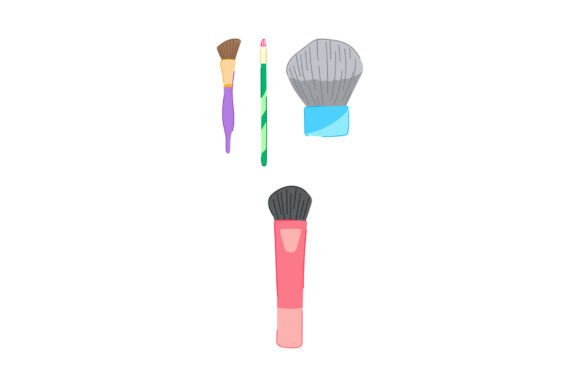
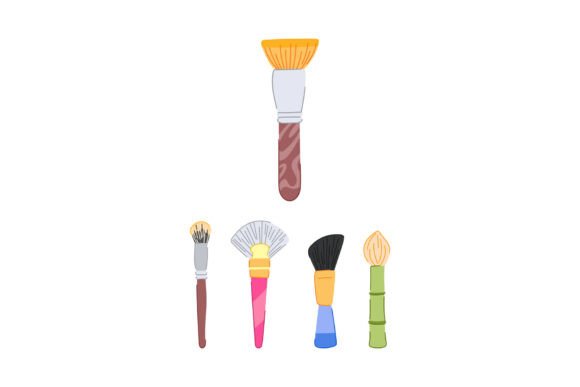
- Paddle and Flat Top Kabuki Brushes: Designed for stippling and buffing liquid foundation into the skin. The flat surface area allows for rapid coverage of large zones, while the dense core provides the pressure necessary to push pigment into pores and fine lines for an airbrushed effect.
- Tongue-Shaped Concealer Brushes: Featuring a flexible, pointed tip and firm body, these tools offer targeted deposition. The flexibility allows the brush to conform to the under-eye hollow and nasal crevices, providing precise coverage where rigidity would cause creasing.
- Packing Brushes for Eye and Detail Work: Small, flat, and densely packed, these applicators press color onto the lid or specific facial areas. Unlike blending brushes, they do not diffuse; they maximize color payoff and adherence, serving as the base layer for subsequent blending.
Diffusion and Blending Instruments
Blending tools function by redistributing already-applied product to eliminate boundaries. Their design emphasizes airflow and movement over density.
- Tapered Blush and Contour Brushes: The slanted or domed shape fits the anatomical curves of the cheekbone and jawline. These brushes pick up minimal product and distribute it gradually, allowing for buildable intensity that mimics natural shadow and flush rather than sitting atop the skin.
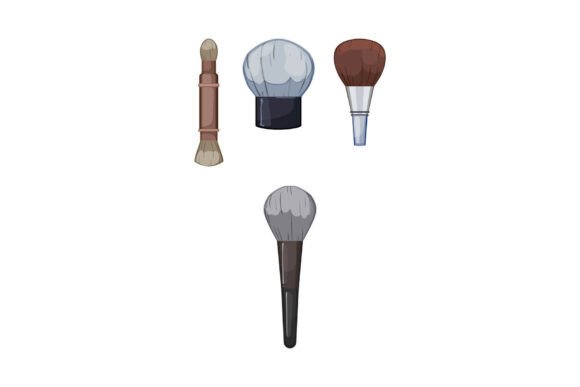
- Fluffy Powder Brushes: Large, airy, and often round or slightly tapered, these tools are essential for setting makeup without disturbing the base. Their low density ensures that translucent powder settles only where needed, avoiding the cakey appearance caused by compact powder puffs.
- Crease and Transition Brushes: Smaller, dome-shaped blending tools used to soften edges in eye makeup or detailed face contouring. Their size allows for controlled diffusion in smaller anatomical zones where larger brushes would muddy adjacent areas.
Technique Integration: Matching Tool to Formulation
Selecting the correct brush from a collection of cosmetic brushes and applicators depends heavily on the viscosity and finish of the product being used. Misalignment between tool and formula is the most common cause of suboptimal makeup application.
Liquid and Cream Products: These require tools that can withstand moisture without swelling or losing shape. Synthetic fibers are mandatory here. The application technique should involve pressing and rolling motions rather than dragging. Dragging a dense brush through wet foundation can lift underlying skincare or create streaks. Stippling or bouncing motions utilize the brush's elasticity to meld the product with the skin texture.
Powder Products: Loose and pressed powders interact best with natural-hair-style synthetics or actual natural fibers if ethical sourcing permits. The goal is to trap particles within the bristle matrix and release them softly. Swirling motions work effectively here, as the friction helps pick up pigment from the pan and distributes it evenly across the bristle surface before transfer to the face.
Skincare Integration: When incorporating brushes into skincare routines, hygiene becomes paramount. Dedicated tools for mask application or serum distribution should be cleaned more frequently than color cosmetics brushes. Silicone spatulas and washable synthetic face brushes reduce cross-contamination risks and extend the shelf life of jar-packaged products by eliminating finger contact.
Maintenance Protocols and Longevity Optimization
The investment in professional-grade cosmetic brushes for beauty and face mak yields returns only when maintenance protocols are strictly followed. Residue buildup alters brush performance, causing stiff bristles, uneven application, and potential dermatological issues.
Cleaning Frequency and Methods
A tiered cleaning schedule accommodates both professional sanitation standards and practical everyday use.
- Spot Cleaning (Daily/Per Client): Spray-on sanitizers and quick-dry cleansers remove surface pigment and reduce microbial load between uses. This preserves the deep-clean interval but does not replace it. Excessive use of alcohol-based spot cleaners can degrade synthetic fibers over time, so moderation is key.
- Deep Cleansing (Weekly/Bi-weekly): Washing with mild surfactants removes embedded oils, silicones, and pigments that compromise fiber elasticity. Brushes should be washed with lukewarm water, avoiding hot temperatures that can melt adhesive in the ferrule. Drying must occur horizontally or at a downward angle to prevent water intrusion into the handle assembly, which causes wood swelling and glue failure.
- Reshaping Post-Wash: Synthetic fibers retain memory but require guidance when wet. Gently reshaping the brush head to its original profile before drying ensures the tool maintains its functional geometry. Neglecting this step leads to splayed bristles that no longer apply product with precision.
Strategic Collection Building for Diverse User Profiles
The optimal assortment of tools varies significantly based on user expertise, frequency of use, and stylistic preferences. There is no universal "complete set"; rather, collections should be curated around specific workflows.
For Professionals and Educators: Redundancy is essential. Having multiple identical foundation and concealer brushes allows for continuous work without pausing for cleaning. Versatility matters less than specialization; dedicated brushes for each step prevent cross-contamination of colors and textures. Investing in durable, high-density synthetics reduces long-term replacement costs despite higher upfront expenditure.
For Everyday Consumers and Hobbyists: Multi-functional tools provide greater value. A single tapered brush can handle blush, bronzer, and highlight depending on pressure and placement. Quality over quantity applies here; three exceptional brushes outperform fifteen mediocre ones. Focus resources on the tools used for the most challenging steps—typically base application and blending—as these have the highest impact on overall finish.
For Content Creators and Researchers: Visual documentation requires tools that photograph well and perform consistently under varied lighting. Matte-finish handles reduce glare, while uniform fiber coloring helps viewers distinguish brush types in tutorials. Testing new formulations often necessitates a broader range of densities and shapes to accurately evaluate product behavior across different application methods.
Evaluating Performance Beyond Aesthetics
When assessing cosmetic brushes for beauty and face mak, tactile feedback and ergonomic design outweigh visual appeal. Handle weight and balance affect fatigue during extended application sessions. Lightweight handles offer agility for detailed work, while weighted handles provide stability for broad, sweeping motions. Ferrule construction indicates durability; seamless metal ferrules resist corrosion and maintain secure bristle anchoring better than glued or crimped alternatives.
Ultimately, the right collection of cosmetic brushes and applicators functions as an extension of technical skill. Whether executing complex editorial looks, maintaining daily skincare hygiene, or researching formulation compatibility, the tool dictates the outcome. Prioritizing material science, functional categorization, and rigorous maintenance ensures these instruments serve as reliable partners in the pursuit of refined beauty and skin health.