Choosing the Right Collection of Assorted Brushes for Paint Across Creative and Maintenance Projects
Walking into an art supply store or browsing a hardware catalog can be overwhelming when faced with hundreds of brush options. For artists, crafters, and decorators alike, the tool is often just as important as the medium itself. A well-curated collection of assorted brushes for paint serves as the bridge between imagination and execution, translating ideas into tangible strokes on canvas, wood, or drywall. Understanding the nuances of bristle composition, handle ergonomics, and shape functionality is not merely academic; it is a practical necessity that dictates the quality of your finish and the longevity of your tools.
Navigating Bristle Materials for Specific Mediums
The most critical factor in selecting any brush from an assortment is matching the filament to the paint chemistry. Using the wrong material can ruin both the project and the tool. Natural hair brushes, traditionally made from hog bristle or sable, have microscopic scales that hold oil-based paints exceptionally well. They provide a textured stroke that many oil painters desire for impasto techniques. However, these same natural fibers tend to absorb water, causing them to swell and become limp when used with acrylics or watercolors.
Synthetic filaments have revolutionized modern painting workflows. Engineered from nylon or polyester, these bristles are designed to mimic the spring and snap of natural hair while resisting water absorption. For decorators working with latex or acrylic house paints, synthetics are non-negotiable. They maintain their shape in wet conditions and offer superior durability against alkaline substances found in masonry paints. When building a versatile collection of assorted brushes for paint, prioritizing high-quality synthetics ensures you have reliable tools for everything from fine detail work in model making to broad coverage in home renovation.
The Impact of Filament Taper and Flagging
Beyond material, the physical structure of the bristle tip matters immensely. Professional-grade brushes often feature flagged ends, where the tips split into multiple micro-fibers. This characteristic increases the surface area, allowing the brush to hold more paint and release it smoothly without streaking. Tapered filaments, which thin out toward the tip, provide better control and precision. In contrast, blunt-cut bristles are generally reserved for heavy-duty tasks like applying adhesives or rough primers. Recognizing these subtle manufacturing differences helps users select the right tool from their assortment rather than grabbing blindly and hoping for the best.
Handle Design and Ergonomics in Daily Use
While bristles interact with the surface, the handle interacts with the user. Fatigue is a genuine concern for anyone spending hours painting, whether detailing a miniature figure or cutting in ceiling lines. Handle length and weight distribution play pivotal roles in workflow efficiency. Long handles are standard for easel painting, allowing the artist to step back and view the work while maintaining a loose grip. This distance facilitates broader, more expressive gestures essential for traditional fine art.
Conversely, short handles offer greater control for close-up work. Crafters, sign writers, and trim painters typically prefer shorter grips because they allow for a pencil-like hold, enabling precise maneuverability in tight spaces. Modern ergonomic designs have also introduced contoured grips and lightweight composite materials to reduce strain during repetitive motions. When evaluating a collection of assorted brushes for paint, consider how the handle feels after twenty minutes of continuous use, not just when first picked up. A balanced brush reduces wrist fatigue and improves overall output quality over long sessions.
Shape Functionality Beyond Basic Categories
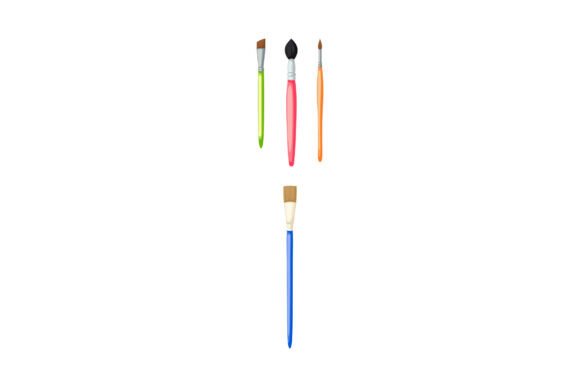
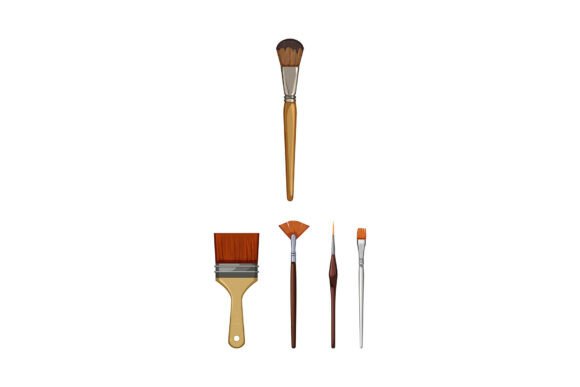
Most assortments categorize brushes by familiar names like flat, round, or filbert, but understanding their specific applications unlocks their true potential. Flats and brights are workhorses for covering large areas and creating sharp edges. The difference lies in the bristle length; brights are shorter and stiffer, making them ideal for pushing heavy body paints or scrubbing texture into a surface. Flats, with longer bristles, hold more fluid and are better suited for washes and smooth gradients.
Round brushes remain the universal choice for line work, dots, and filling small gaps. However, the liner or rigger brush deserves special attention in any comprehensive kit. With extremely long, thin bristles, liners are designed specifically for continuous lines, lettering, and intricate detailing that standard rounds cannot achieve. For decorators, the angled sash brush is indispensable. Its slanted profile allows for precise cutting-in along trim and corners without dragging excess paint onto adjacent surfaces. Including specialized shapes in your repertoire prevents the common mistake of trying to force a general-purpose brush to perform a task it was never designed for.
- Filbert: Combines the edge of a flat with the softness of a round; perfect for blending and organic shapes.
- Fan Brush: Essential for texturing foliage, clouds, or fur; also useful for smoothing out brush marks in decorative finishes.
- Dagger Striper: Offers unique versatility for curved lines and variable width strokes in sign painting and automotive detailing.
- Mop Brush: Holds massive amounts of liquid for broad washes in watercolor or staining large wooden surfaces.
Maintenance as Part of the Selection Process
A brush collection is only as good as its maintenance routine. Neglect leads to splayed bristles, dried paint near the ferrule, and eventual failure. Different brushes require different care protocols. Natural hair brushes benefit from occasional conditioning with brush soap or mild oils to prevent brittleness. Synthetics, while more resilient, can be permanently damaged by hot water or harsh solvents that melt the glue binding the filaments.
Storage orientation is equally vital. Never store brushes resting on their bristles, even if clean. Gravity will eventually deform the tip. Hanging storage or horizontal laying preserves the shape integrity. For professionals managing a large collection of assorted brushes for paint, implementing a systematic cleaning and drying station pays dividends. It extends tool life significantly and ensures that every time a brush is picked up, it performs predictably. Investing in quality brush guards for reshaping during drying can further protect delicate tips, especially for expensive sable or premium synthetic rounds.
Building a Versatile Kit for Multi-Disciplinary Work
Modern creatives rarely stay within a single lane. An illustrator might also dabble in furniture restoration; a homeowner might take up watercolor as a hobby. This cross-pollination of activities demands flexibility. Rather than purchasing separate, redundant sets for each discipline, curating a unified assortment based on function proves more economical and space-efficient. Identify the overlap in your needs. A high-quality synthetic flat can serve equally well for acrylic canvas painting and applying varnish to woodworking projects. A sturdy round brush can handle both gouache illustration and touch-up painting on walls.
When expanding your toolkit, resist the urge to buy bulk packs of low-quality brushes. These often shed bristles and lose shape quickly, leading to frustration and waste. Instead, gradually acquire individual, professional-grade brushes that fill specific gaps in your capability. Test different brands and series to discover personal preferences in spring, snap, and capacity. Over time, this intentional approach builds a truly personalized collection of assorted brushes for paint that supports diverse creative endeavors without clutter or compromise. The goal is not to own every brush ever made, but to possess the right ones that empower your specific workflow and elevate the quality of your finished work.